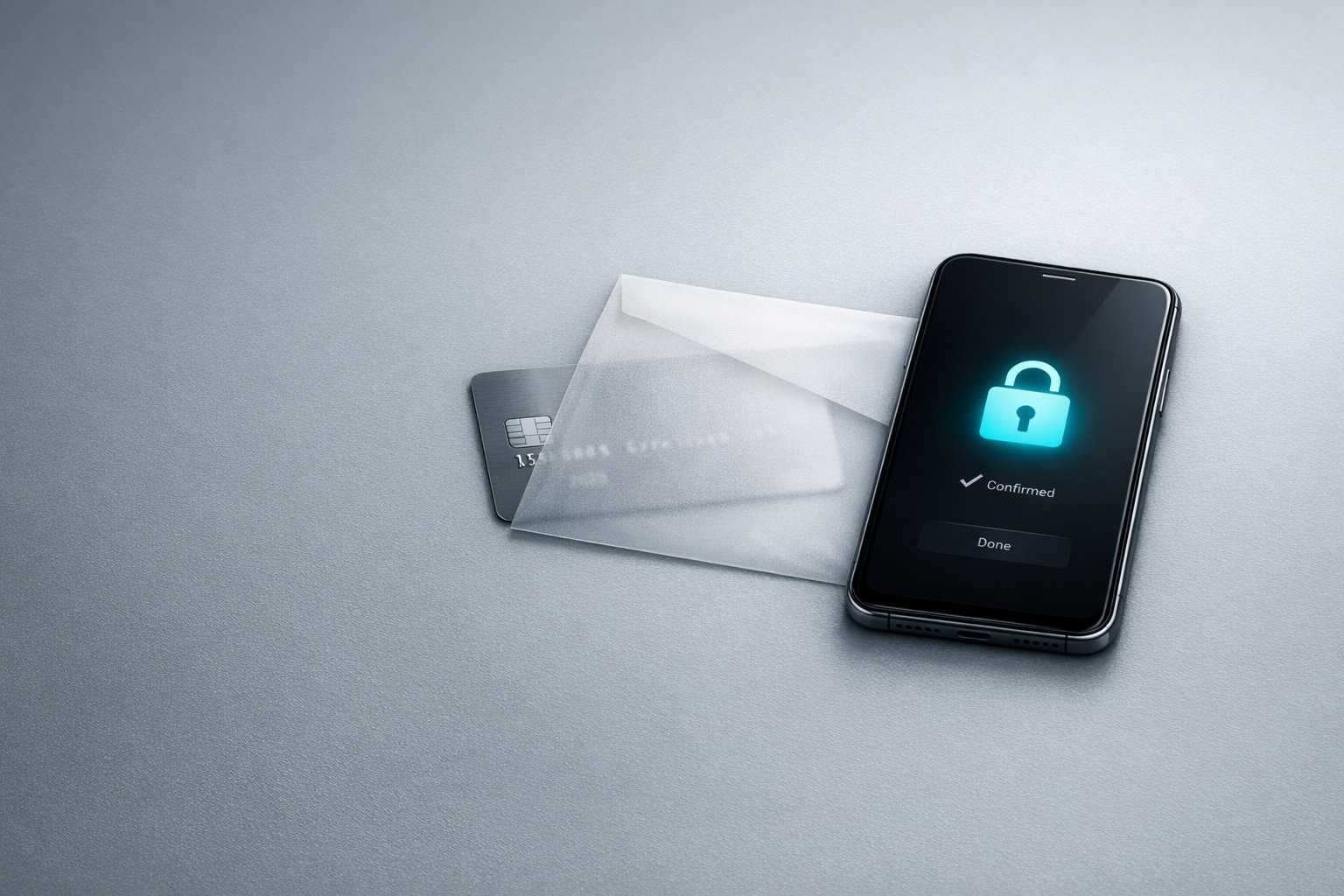
The role of secure online payments in adult services
Payments define the way clients and providers interact in adult services, creating points of tension around trust and discretion. Secure online payment processes are crucial for maintaining privacy, safety, and professionalism throughout all transactions. The reliability of secure payments is essential, shaping both reputation and peace of mind for clients and providers engaged in adult services.
Adult-service transactions differ from standard online purchases in several important ways, requiring heightened attention to privacy and reliability. Choosing a porn payment processor facilitates secure handling of sensitive financial transactions, which is a key concern in this sector. The type of payment method selected can directly impact safety, personal discretion, and the professionalism of the interaction. Both clients and providers must weigh convenience against robust safeguards that can help protect against fraud or exposure of personal information. Reliable online payments build essential trust, which influences ongoing client relationships and the overall quality of service.
Why payment dynamics shape adult service safety
For those involved in adult services, payment processes often act as the initial measure of mutual reliability. The expectation for personal privacy is high; as most anticipate stricter standards compared to typical online purchases. Concerns about chargebacks and lost funds make clear and predictable payment flows important to reducing unnecessary stress. Banking policies and platform restrictions may limit certain payment avenues, requiring providers to assess each solution for both acceptance and risk. Managing these challenges demands careful attention, as missteps can undermine safety, cause disputes, or disrupt crucial income streams.
Every payment should be considered part of a larger safety strategy. Privacy concerns affect all facets, from billing descriptors to support procedures, and each stage must be handled cautiously to prevent unwanted exposure. There is an elevated risk of fraud, including use of stolen cards or charge reversals, so clear authentication procedures are vital. Providers often contend with higher fees and delayed settlements, adding further complexity to financial management. These factors highlight why secure online payment practices tailored to adult services are necessary, reflecting the particular demands of the sector.
Key tools for payment privacy and protection
Encryption and secure checkout platforms form the basis of payment security in adult services. When financial information is transmitted, current encryption standards can help prevent interception or leaks. Multi-factor authentication methods, such as two-step verification and transaction alerts, may reduce the risk of unauthorised access or fraud. Providing detailed yet discreet receipts helps both parties keep transaction records without exposing sensitive personal data. Accessible dispute resolution protocols allow clients to address service issues and enable providers to respond while maintaining personal privacy.
Minimising the collection and storage of sensitive customer information to only what is required for the transaction contributes to stronger data protection. Using encrypted communication channels to share payment information, rather than unsecured messaging platforms, is another way to guard against data theft. Some providers use dedicated business accounts to separate personal and professional identities, enhancing discretion. Meticulous record keeping also aids in resolving potential disputes while prioritising privacy. Together, these approaches establish reliable standards, emphasising privacy and safety in this sector.
Comparing payment methods and understanding best practices
Each payment method—card payments, bank transfers, and digital wallets—brings different considerations for those using adult services. Cards allow for quick transactions but can make it easier to trace purchases for clients and represent chargeback risks for providers. Bank transfers are often seen as more secure, though they can involve delays and higher costs. Digital wallets may offer greater anonymity but are sometimes restricted by regulations or platform acceptance. Weighing these factors—convenience, traceability, speed, and reversal potential—both parties should discuss preferences openly and clarify refund policies in advance.
Recognising warning signs before completing or receiving payments is essential for protecting your interests. Requests for unfamiliar or non-reversible payment types, delays in confirmation, or unclear communication from the recipient can be signs of potential fraud. Trustworthy systems consistently issue deposit notifications and require confirmation steps at each stage. Transparent policies regarding cancellations and refunds help build mutual confidence. Secure online payments remain the foundation for establishing trust and upholding safety in every adult-service interaction.